Surgical Hair Restoration
FUE Hair Transplant
Individual follicles extracted and placed with surgical precision — no linear scar, natural density, and results that last a lifetime.
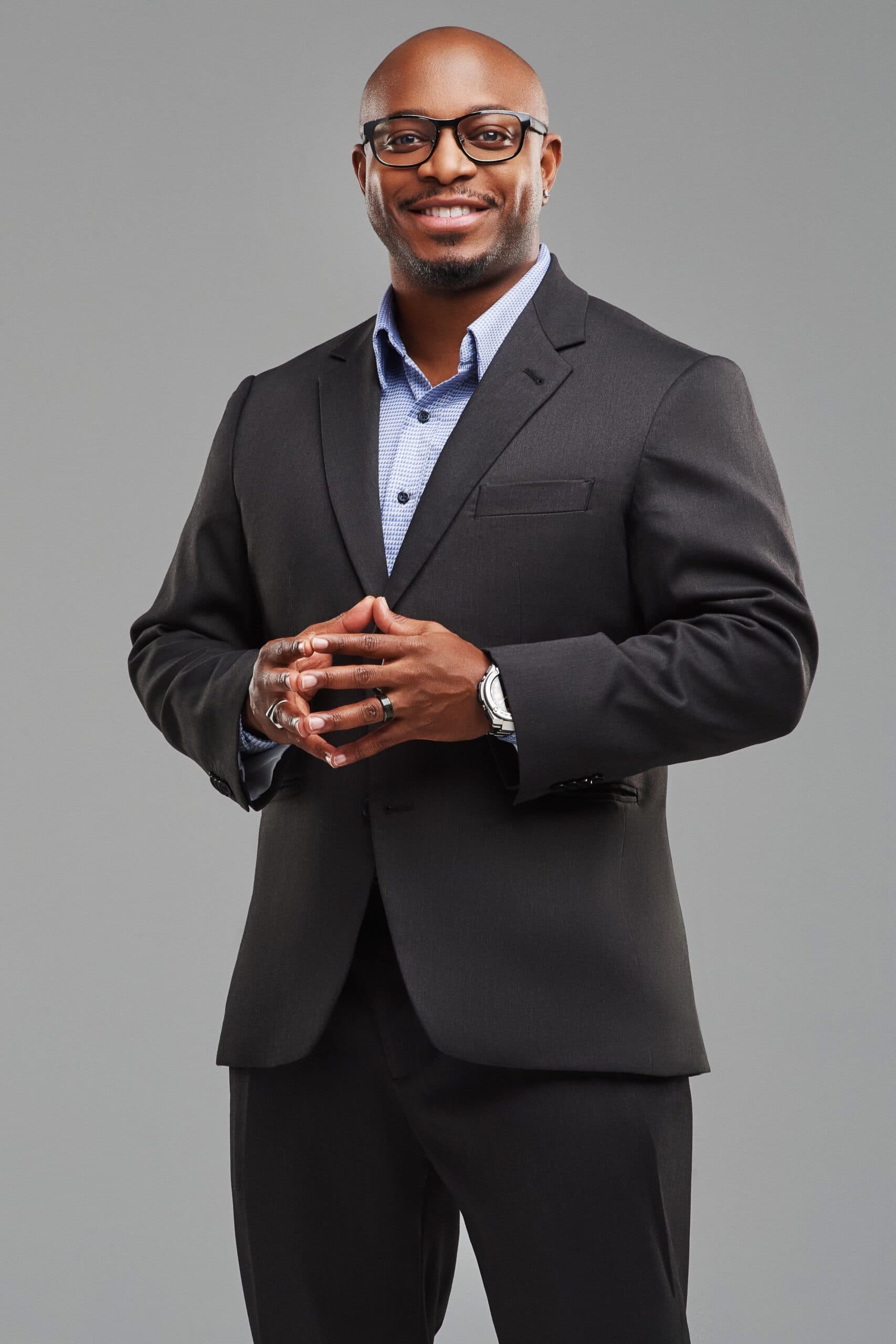
Dr. Robert Drummond, MD/PhD
Hair Restoration · Beverly Hills
“FUE gives us the precision to restore density exactly where a patient needs it, one follicle at a time, without leaving any trace that surgery occurred.”
Dr. Robert Drummond, MD/PhD
What Is FUE Hair Transplant?
Follicular Unit Extraction (FUE) is today's gold-standard technique for surgical hair restoration. Rather than removing a strip of scalp, Dr. Drummond extracts individual follicular units — groups of one to four hairs — directly from the donor area at the back and sides of the scalp using a precision micro-punch instrument measuring just 0.7 to 0.9 mm in diameter.
Each graft is then carefully placed into tiny recipient sites created at the exact angle, depth, and direction matching your natural hair growth pattern. The result is indistinguishable from the hair that was always there.
Because no strip of tissue is removed, there is no linear scar. Patients with shorter hairstyles — including those who keep their hair closely cropped or shaved — can undergo FUE without any visible evidence of the procedure once healed.
Good candidates for FUE hair transplantation include individuals with well-defined male or female pattern baldness, individuals with hair loss from scarring, scalp injuries, certain surgical procedures, or damaging hairstyles, and individuals with a healthy scalp, good donor area hair, and generally good health.
Key Benefits
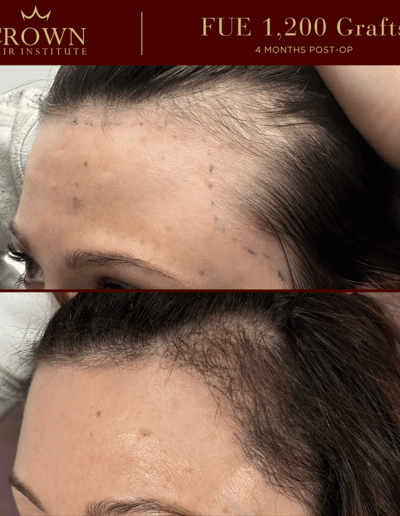
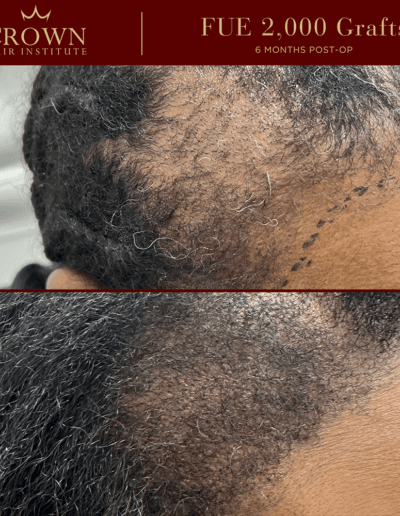
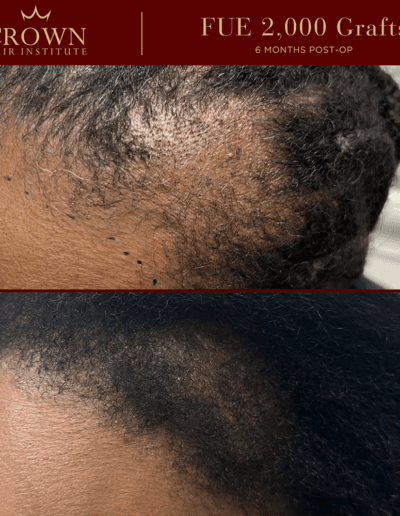
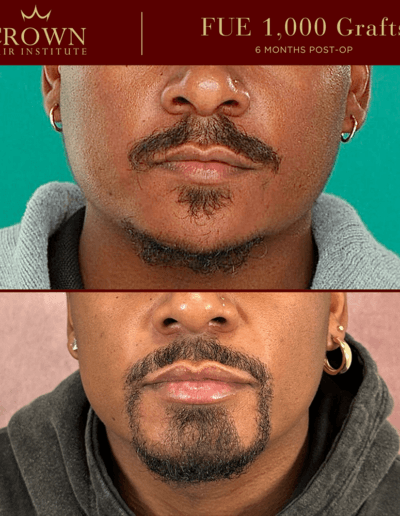
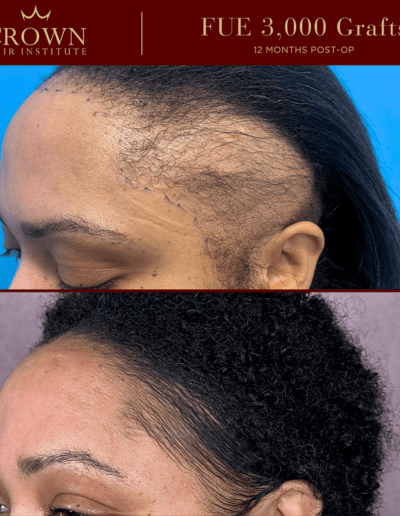
Investment
Investment in Your Confidence
Price
$6.25 per graft
Most procedures range between $8,000 and $24,000 depending on the number of grafts and overall treatment plan. Most patients require 1,500 to 3,500 grafts. All-inclusive pricing — no hidden fees. Final cost is determined after your consultation with your doctor. You can get an approximate price range during your complimentary discovery call if you submit your photos prior.
Financing available through Cherry
Plans from 0% APR — apply in minutes
What to Expect
Day of Surgery — Same-Day Discharge
The procedure is performed under local anesthesia in our Beverly Hills surgical suite. Most FUE sessions take 8 to 12 hours. You go home or to your hotel the same day, fully awake and comfortable.
1-Day Post-Op Visit
You return to the clinic the morning after surgery so the team can check your grafts, gently clean the donor and recipient areas, and review your post-care instructions in detail. This visit is included in every FUE procedure.
First Follow-Up
First scheduled check-in. Scabs begin to release naturally and gentle washing is introduced. Redness in the donor area fades. Most patients are comfortable returning to office work by day 5.
Shock Loss Is Expected
Transplanted hairs shed — this is completely normal and expected. The follicle remains alive and is entering its new growth cycle below the surface. Your 1-month post-op follow-up confirms healing is on track.
New Growth Emerges
Transplanted follicles begin producing new hair. Initial growth is fine and soft, then gains caliber month over month. Your 3-month follow-up documents early progress.
Mid-Point Check-In
Density and coverage become visibly apparent. Your 6-month follow-up includes photographic comparison to document progress and review maintenance recommendations.
9-Month Check-In
Continued density improvement. Your surgeon evaluates progress, compares with earlier photos, and determines if any adjustments to your maintenance plan are needed.
Final Result
Hair has thickened to its full caliber. Final density, texture, and coverage are visible. Your 12-month follow-up confirms your final result. The result is permanent — these follicles will continue growing for life. Individual recovery and growth timelines can vary.
Frequently Asked Questions
Am I a good candidate for FUE hair transplant?
The ideal FUE candidate has a stable area of hair loss, adequate donor density at the back and sides of the scalp, and realistic expectations. Dr. Drummond evaluates your Norwood scale classification, donor density, miniaturization rate, and overall scalp health at your consultation to determine candidacy and graft estimate.
How many grafts will I need?
The number of grafts depends on the extent of your hair loss and your density goals. Mild thinning (Norwood II–III) may require 1,000–2,000 grafts. Larger coverage areas (Norwood IV–VI) typically need 2,500–4,000+ grafts. Dr. Drummond provides a precise graft estimate at consultation using digital density mapping.
Does FUE leave a scar?
FUE leaves tiny circular dot scars, each less than 1mm, distributed across the donor area. These are virtually invisible even with very short hair. There is no linear strip scar as seen with FUT technique. Most patients can wear their hair at any length without concern.
Is FUE permanent?
Yes. The transplanted follicles are harvested from the genetically stable donor zone, which is resistant to DHT — the hormone responsible for pattern hair loss. These follicles retain their genetic resistance after transplantation and continue to grow for a lifetime.
Can FUE be performed on textured/curly hair?
Yes, and Crown Hair Institute has particular expertise in this area. Textured and curly follicles have a curved root beneath the skin's surface, which requires modified extraction technique to avoid transection. Dr. Drummond's training and experience with all hair types (2A–4C) means excellent graft survival rates regardless of texture.
How long does the procedure take?
Most FUE sessions at Crown Hair Institute take between 8 and 12 hours depending on the number of grafts. We schedule full-day procedures to ensure adequate time for precise placement without rushing. Light sedation is available to keep you comfortable throughout.
What can I expect on the day of surgery?
The day of surgery will begin early — ideally you will arrive at the clinic by 7 AM. No hair products should be placed in the hair the morning of surgery. The procedure will begin with your hair being pulled back to expose the donor area, which will be marked and shaved. The remaining hair surrounding the donor area is left intact. Monitoring equipment will be placed, and both the recipient site and the donor area will be injected with numbing medication. The procedure is separated into two phases: graft harvesting and graft implantation. Lunch will usually happen between the two phases. The entire procedure should take around 8 hours and is typically complete in the early afternoon.
What is recovery like?
You may feel a little sleepy or groggy after your procedure, so make sure someone is available to pick you up from the clinic to take you back home or to your hotel. Clear instructions will be relayed to both you and your caregiver about appropriate medications to take after surgery.
What is the follow-up process after treatment?
The day after your surgery you will come in for a follow-up to ensure that your pain is very minimal and that the grafts are healing properly. One week after your procedure you will be seen again to gauge your recovery, and then again at 1 month, 3 months, 6 months, 9 months, and finally 1 year. We will support you in every step of your patient journey in order to give you the best possible results.
Will I have visible scarring after FUE?
In contrast to FUT, with FUE there is no strip removed — instead, each follicle is removed with a tiny round surgical punch. This means there is no linear scar and patients are usually free to cut their hair as short as they wish. While some scarring can occur, it is virtually undetectable.
Your transformation starts
with a conversation.
30 minutes with Dr. Drummond. A custom plan for your hair type and goals. No obligation, no pressure — backed by the Crown Promise.
No commitment required · Virtual consultations available
Send us a message.
Explore More
Related Procedures
Non-Surgical
Exosome Therapy
Concentrated stem-cell signaling factors stimulate dormant follicles and accelerate graft survival when combined with your transplant.
Learn MoreNon-Surgical
PRP Therapy
Your body's own platelet-rich plasma activates growth factors that strengthen existing follicles and complement surgical results.
Learn MoreNon-Surgical
Topical Treatments
Medical-grade scalp serums and shampoos engineered to maintain your transplant and reinforce native hair density.
Learn MoreNon-Surgical
Medication
FDA-approved finasteride and minoxidil protocols that stabilize hair loss and protect your surgical investment over time.
Learn MoreOur Guarantee
At Crown Hair Institute, we stand behind every procedure. If your transplanted grafts do not achieve the agreed-upon density within 18 months, we will perform a complimentary touch-up procedure for no additional surgeon's fee.