Surgical Hair Restoration
Male Hair Restoration
A complete, long-term plan for male pattern hair loss — combining surgical transplantation, medical therapy, and scalp science to restore density now and protect it for decades.
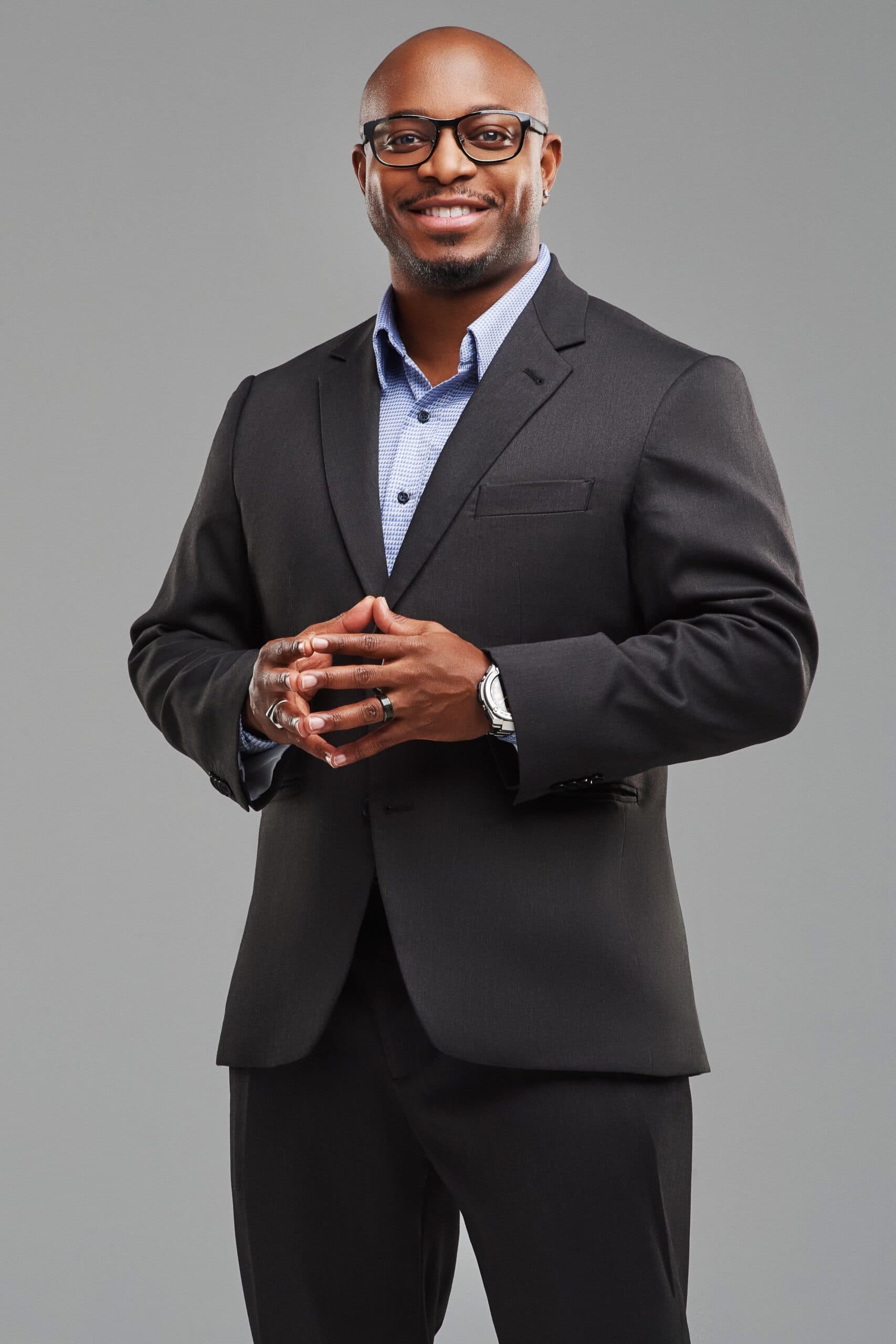
Dr. Robert Drummond, MD/PhD
Hair Restoration · Beverly Hills
“Hair loss changes how a man sees himself — in the mirror, in photographs, in every room he walks into. Restoring that hair doesn't just change your appearance, it changes how you carry yourself. I've watched men leave this office standing taller, speaking louder, and living with a confidence they thought was gone for good. That transformation is why I do this work.”
Dr. Robert Drummond, MD/PhD
What Is Male Hair Restoration?
Male pattern hair loss — androgenetic alopecia — affects over 50 million men in the United States and follows predictable patterns classified on the Norwood scale. While the progression is genetic and hormonal, modern hair restoration offers highly effective interventions at every stage, from the earliest signs of recession to advanced crown loss.
At Crown Hair Institute, male hair restoration is a comprehensive program, not a one-time procedure. Dr. Truesdale begins with a thorough scalp analysis — mapping current density, miniaturization rate, donor supply, and projected future loss — before designing a restoration plan that addresses both where you are today and where your hair loss is going.
Depending on your stage and goals, your plan may include FUE or FUT transplantation, medical therapy with finasteride or dutasteride, exosome or PRP sessions to slow progression, and lifestyle and nutritional guidance. The goal is a full head of hair that looks natural not just at 12 months post-procedure, but for the rest of your life.
Key Benefits
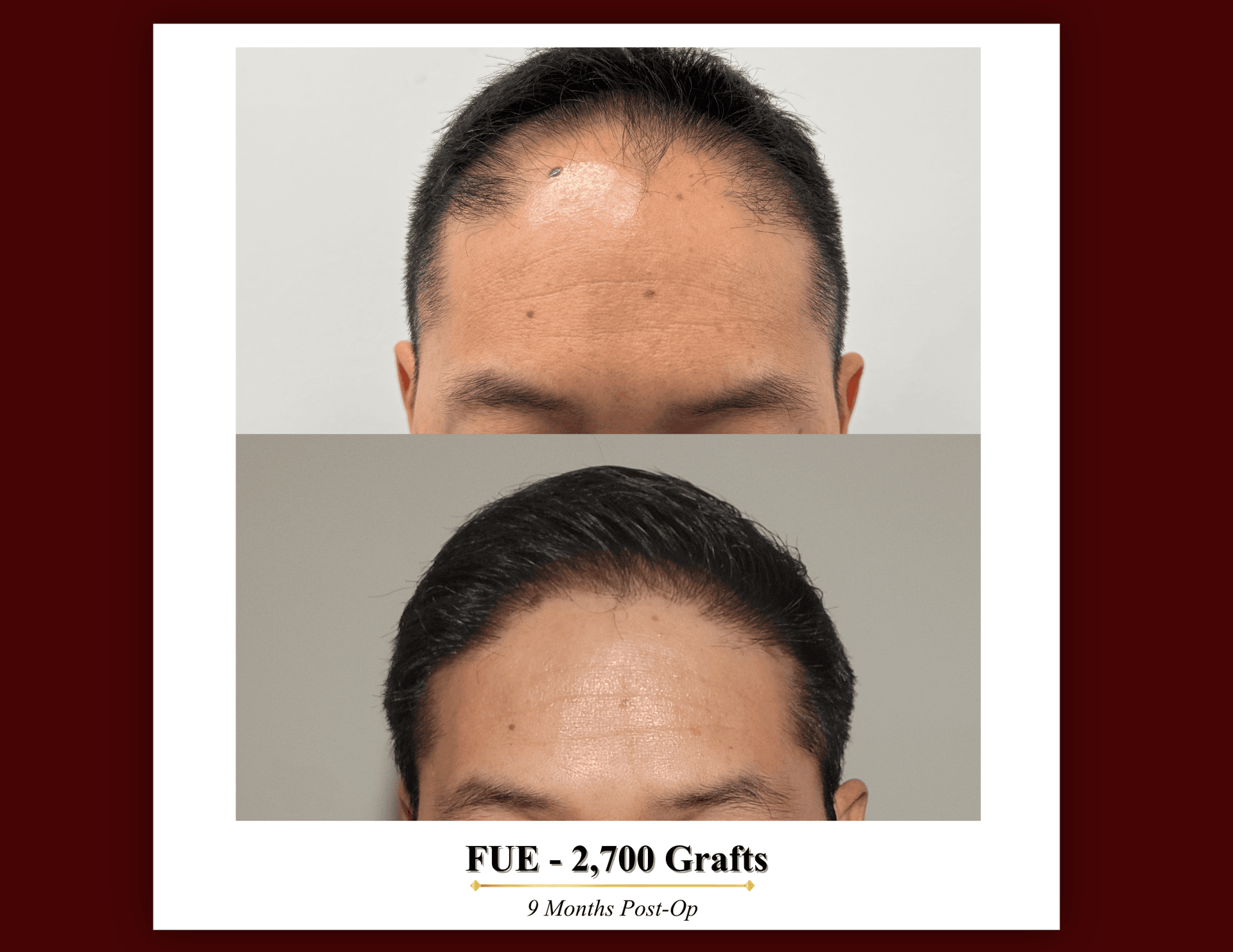
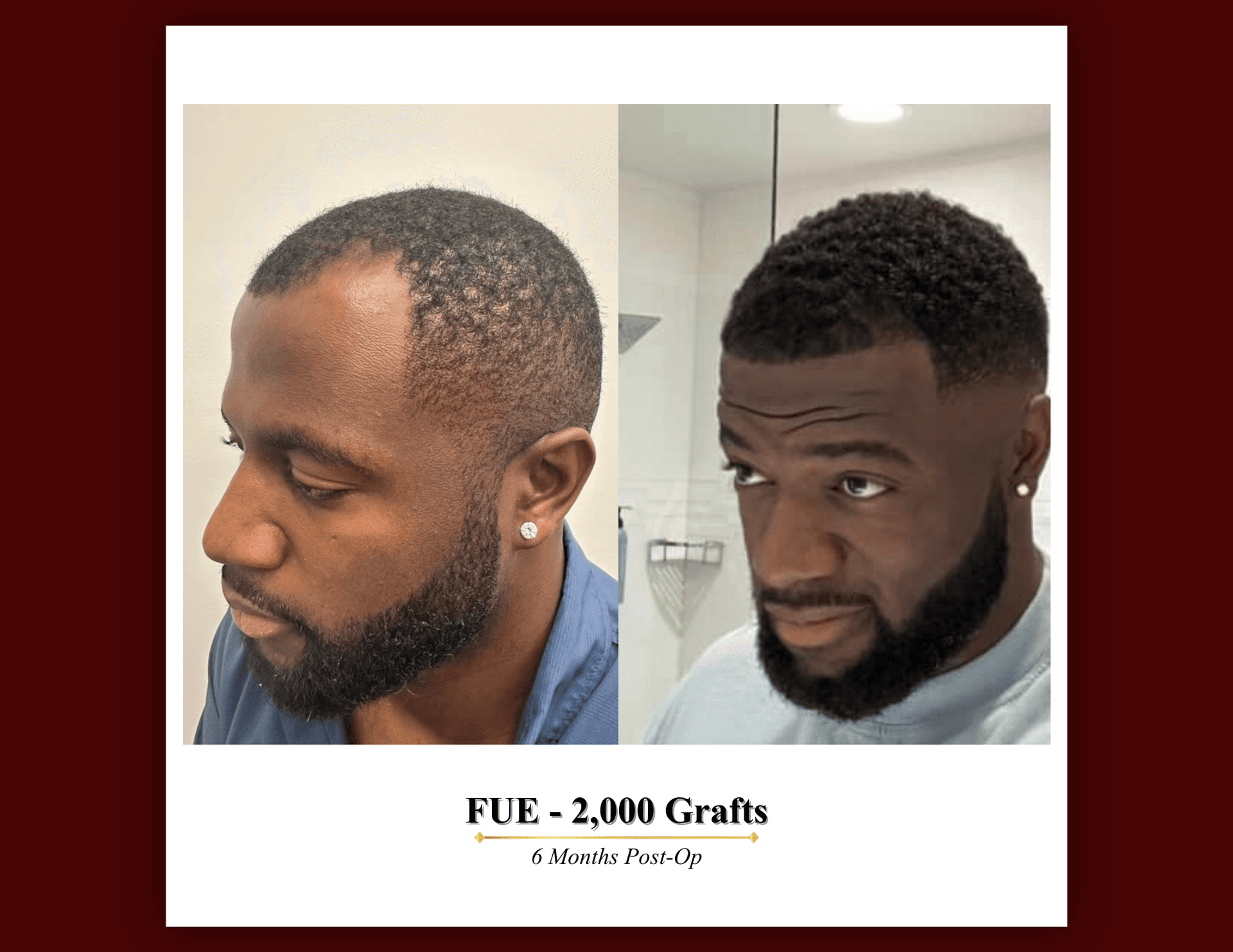
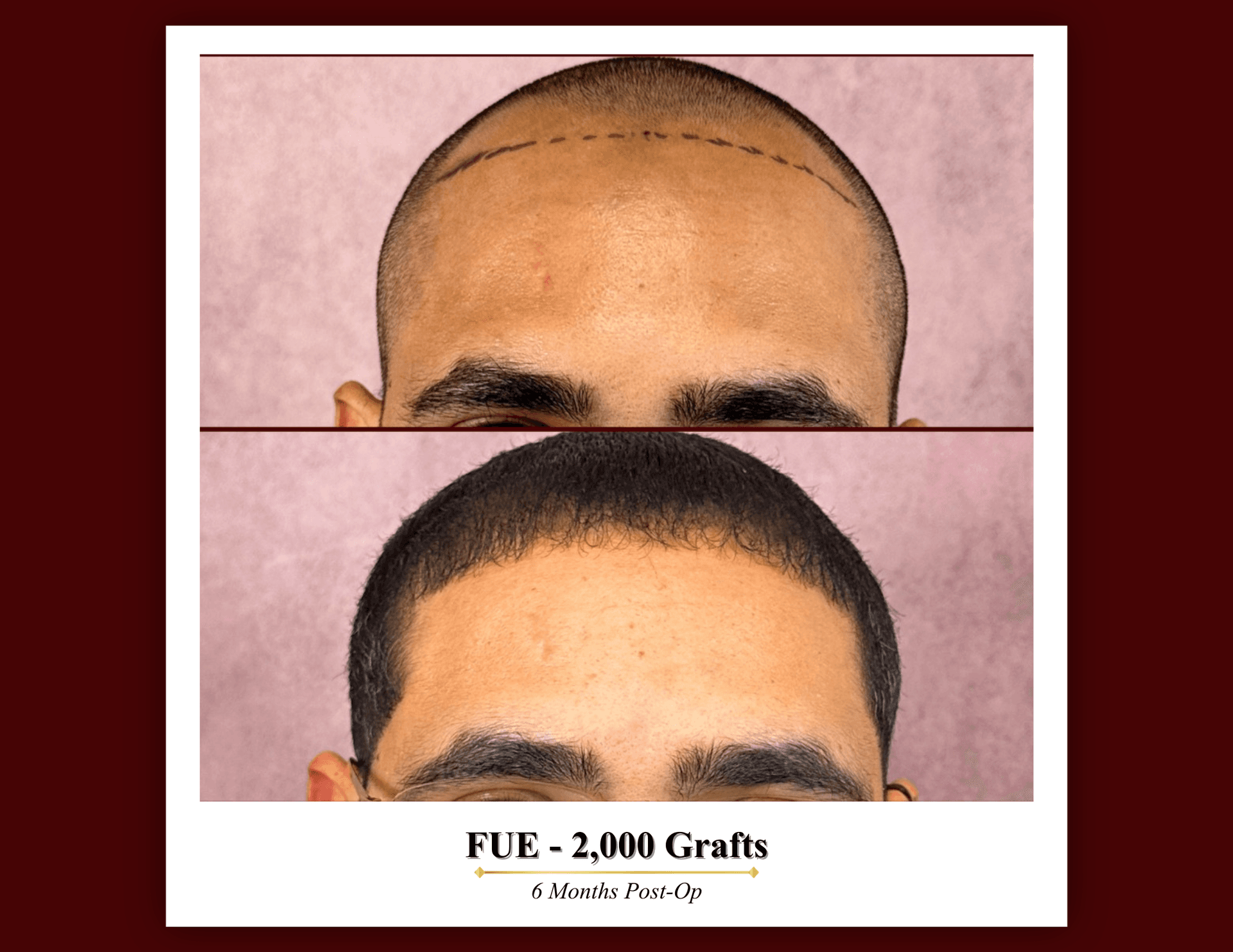
Investment
Investment in Your Confidence
Price
$6.25 per graft
Cost varies by technique, graft count, and whether a single or staged approach is planned. Dr. Drummond provides a complete personalized plan during your consultation.
Financing available through Cherry
Plans from 0% APR — apply in minutes
What to Expect
Planning Session
Dr. Drummond provides a scalp analysis, identifies the cause and pattern of your hair loss, and develops a personalized hair restoration plan based on your hair loss history and goals. Your customized treatment plan may include surgical, non-surgical, or both.
Surgery Day
FUE or FUT procedure performed under local anesthesia at our Beverly Hills surgical suite. Duration is 5–8 hours depending on graft count. You are discharged the same day with post-operative instructions.
Early Recovery
Small scabs at graft sites resolve over 7–10 days. Mild swelling is common and peaks at day 3. Most men return to work within 5–7 days. Donor area heals concurrently.
1-Month Follow-Up
Transplanted hairs begin shedding — completely normal. Medical therapy (finasteride and/or minoxidil) is initiated to slow further progression and support the transplant. Your 1-month follow-up confirms healing is on track.
3-Month Follow-Up
Early new hair growth begins. Medical therapy is taking effect. Your 3-month follow-up documents early progress with photographic comparison.
6-Month Follow-Up
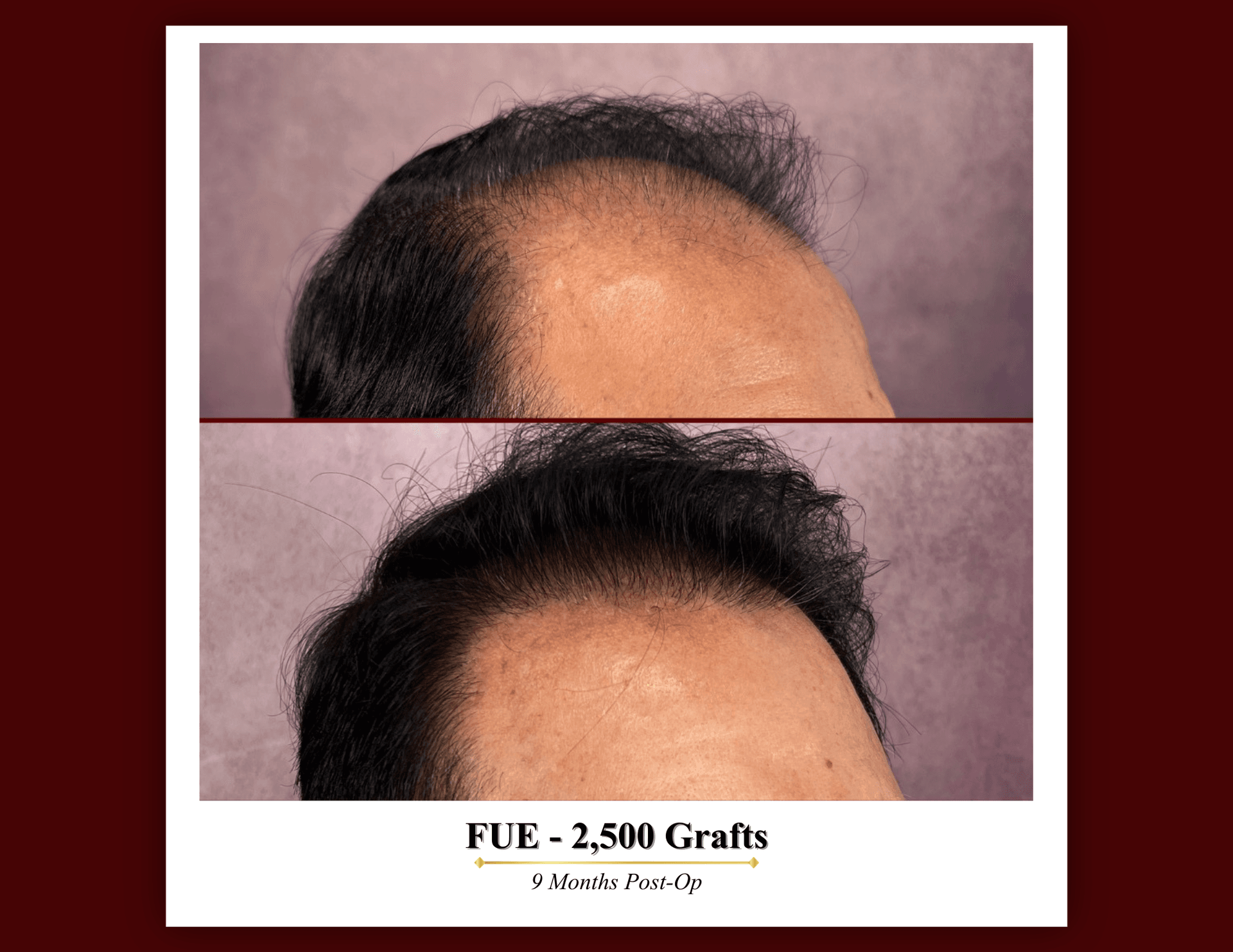
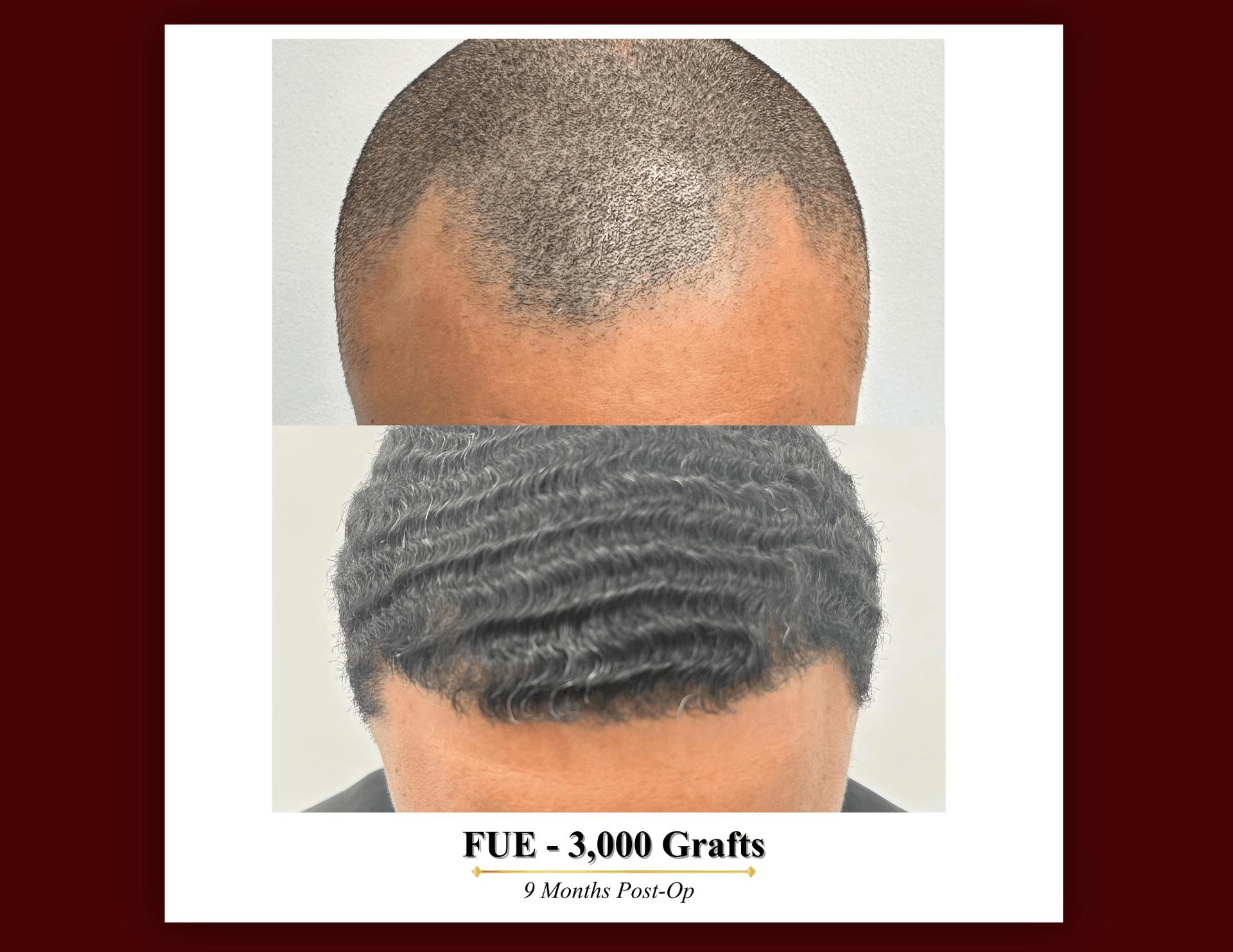
Transplanted follicles are producing visible new hair. Initial fine hairs gain caliber month over month. Your 6-month follow-up includes photographic comparison to document significant progress.
9-Month Check-In
Continued density improvement. Your surgeon evaluates progress, compares with earlier photos, and determines if any adjustments to your maintenance plan are needed.
Full Result
Final density and coverage are established. Your 12-month follow-up reviews your final results and determines whether a second staged session is needed for crown or top refinement.
Frequently Asked Questions
Am I too young for a hair transplant?
Most hair restoration surgeons recommend waiting until at least age 25 before a transplant to ensure hair loss has stabilized. Proceeding too early can result in an unnatural appearance as surrounding native hair continues to thin behind the transplanted hairline. Dr. Truesdale may recommend medical therapy first to slow progression, then transplant once the pattern has stabilized.
How do I know how many grafts I need?
Dr. Truesdale uses digital dermoscopy and density mapping at consultation to assess your donor supply and recipient area. He then designs a graft plan that achieves your goals while preserving adequate donor hair for future sessions if needed.
Do I need to take medication after a transplant?
Not required, but strongly recommended. Finasteride (Propecia) significantly slows the progression of hair loss in the surrounding native hair. Without it, you may continue losing non-transplanted hair, eventually requiring more procedures. Dr. Truesdale discusses this in detail at consultation.
Can I restore a completely bald crown?
Yes, though the crown requires careful planning because it is a large convex surface area with a spiral growth pattern. The crown is usually best addressed after the frontal hairline and mid-scalp are established, as the hairline has a higher visual priority. Donor supply must be assessed carefully before committing to crown restoration.
What is the recovery like — will people know I had surgery?
The first 7–10 days are the most noticeable period, with small red scabs visible at graft sites. By day 14 most patients look essentially normal. Many men time their procedure around a vacation or long weekend. Wearing a loose hat during the first week can minimize visible evidence.
What makes Crown Hair Institute different for Black men and men with textured hair?
Dr. Truesdale has specialized expertise in Afro-textured and curly follicles, which have a curved root structure requiring modified extraction technique to prevent transection. Our graft survival rates for textured hair are comparable to straight hair — an outcome many generalist clinics cannot match. Traction alopecia patterns common in Black men also require specific design strategies that Dr. Truesdale has developed over years of practice.
Your transformation starts
with a conversation.
30 minutes with Dr. Drummond. A custom plan for your hair type and goals. No obligation, no pressure — backed by the Crown Promise.
No commitment required · Virtual consultations available
Send us a message.
Explore More
Related Procedures
Non-Surgical
Exosome Therapy
Concentrated stem-cell signaling factors stimulate dormant follicles and accelerate graft survival when combined with your transplant.
Learn MoreNon-Surgical
PRP Therapy
Your body's own platelet-rich plasma activates growth factors that strengthen existing follicles and complement surgical results.
Learn MoreNon-Surgical
Topical Treatments
Medical-grade scalp serums and shampoos engineered to maintain your transplant and reinforce native hair density.
Learn MoreNon-Surgical
Medication
FDA-approved finasteride and minoxidil protocols that stabilize hair loss and protect your surgical investment over time.
Learn More